
Microgreens
Microgreens Health Benefit Booklet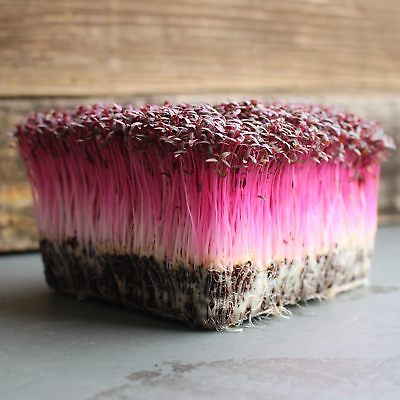
Amaranth
About this microgreen:
Health Benefits of Amaranth:
Arugula
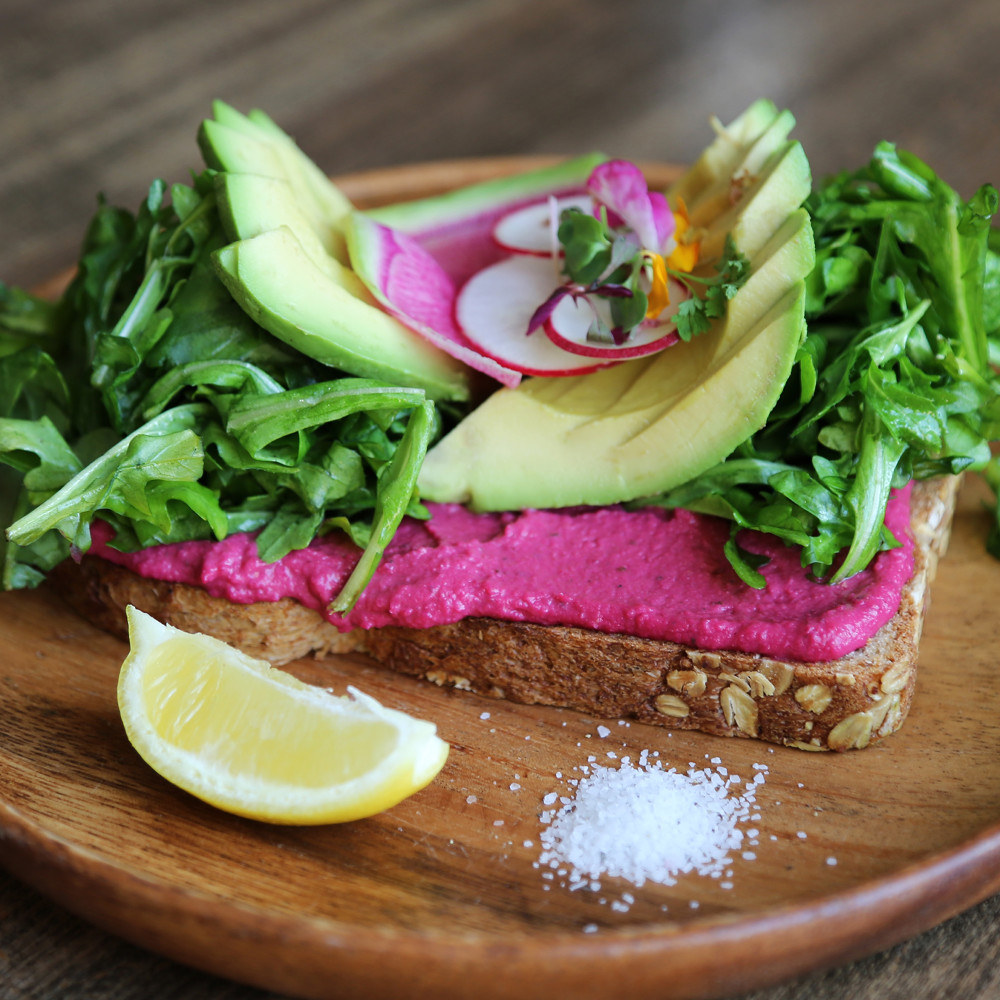
About this microgreen:
Health Benefits of Arugula:
Basil
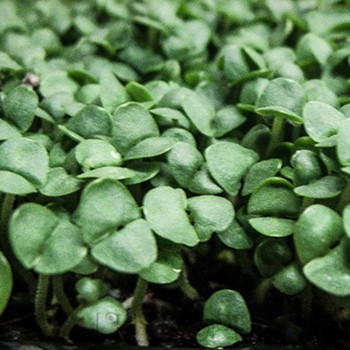
About this microgreen:
Health Benefits of Basil:
Beets
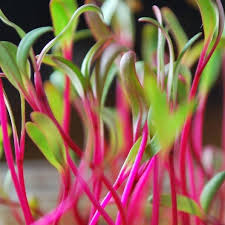
About this microgreen:
Health Benefits of Beets:
Borage
About this microgreen:
Health Benefits of Borage:
Cantaloupe
About this microgreen:
Health Benefits of Cantaloupe:
Carrot
About this microgreen:
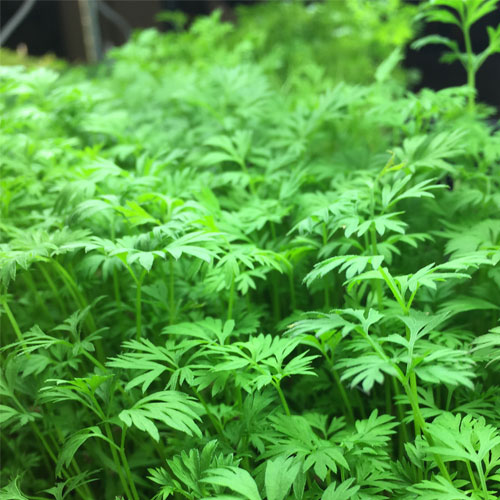
Carrots have been cultivated since ancient times and were deeply rooted in the diets and traditional medicine of Asian and European cultures. Despite our familiarity today with the bright orange variety, orange carrots did not arrive into the commercial marketplace until the 16th and 17th centuries. Carrots are an excellent source of vitamin A, which can help prevent vision loss, vitamin C to protect the body from sickness, and fiber to assist with digestion. The roots also contain some vitamin K, magnesium, calcium, folate, and potassium.
Health Benefits of Corn:
Chinese Mahogany
About this microgreen:
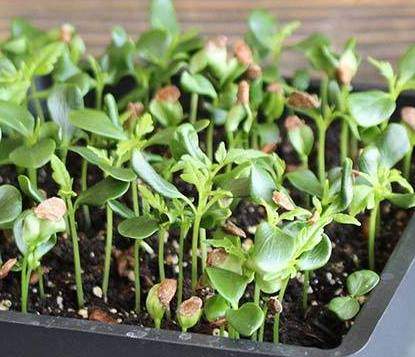
Prominent in Chinese culture, the Toona sinensis has been recognized for its medicinal purposes. In Chinese, the tree is also often mentioned to symbolically represent the father in Chinese poetry and literature.
Health Benefits of Corn:
Chives
About this microgreen:
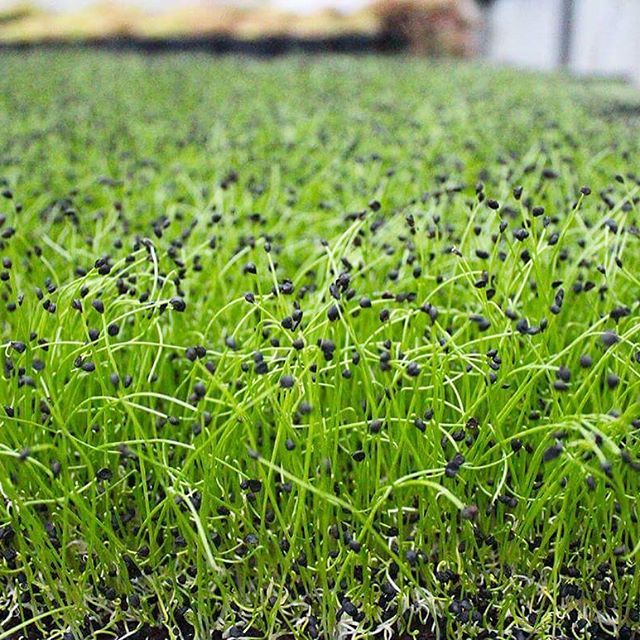
A member of the Amaryllidaceae family which includes other plants such as garlic, onion, and leek, chives are rich in potassium, iron, calcium, vitamins A, B, C, and E, magnesium, zinc, and phosphorus.
Health Benefits of Chives:
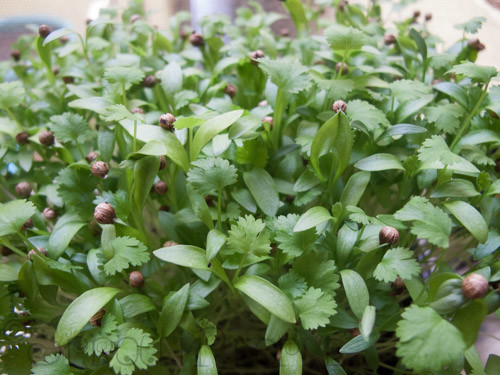
Cilantro
About this microgreen:
Health Benefits of Corn:
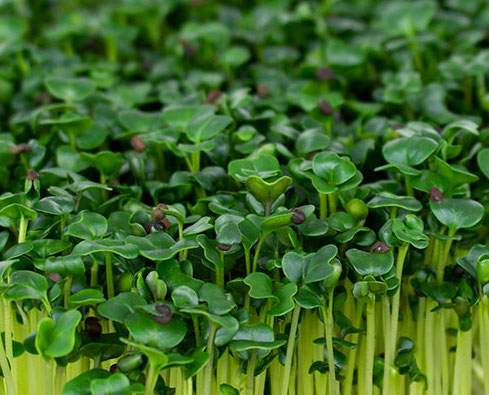
Cress
About this microgreen:
This is an excellent source of carotene, manganese, copper, iron, fiber, calcium, vitamins B1, B2, B6, C and E. Also contains more sulfur and sodium that most vegetables
Health Benefits of Cress:
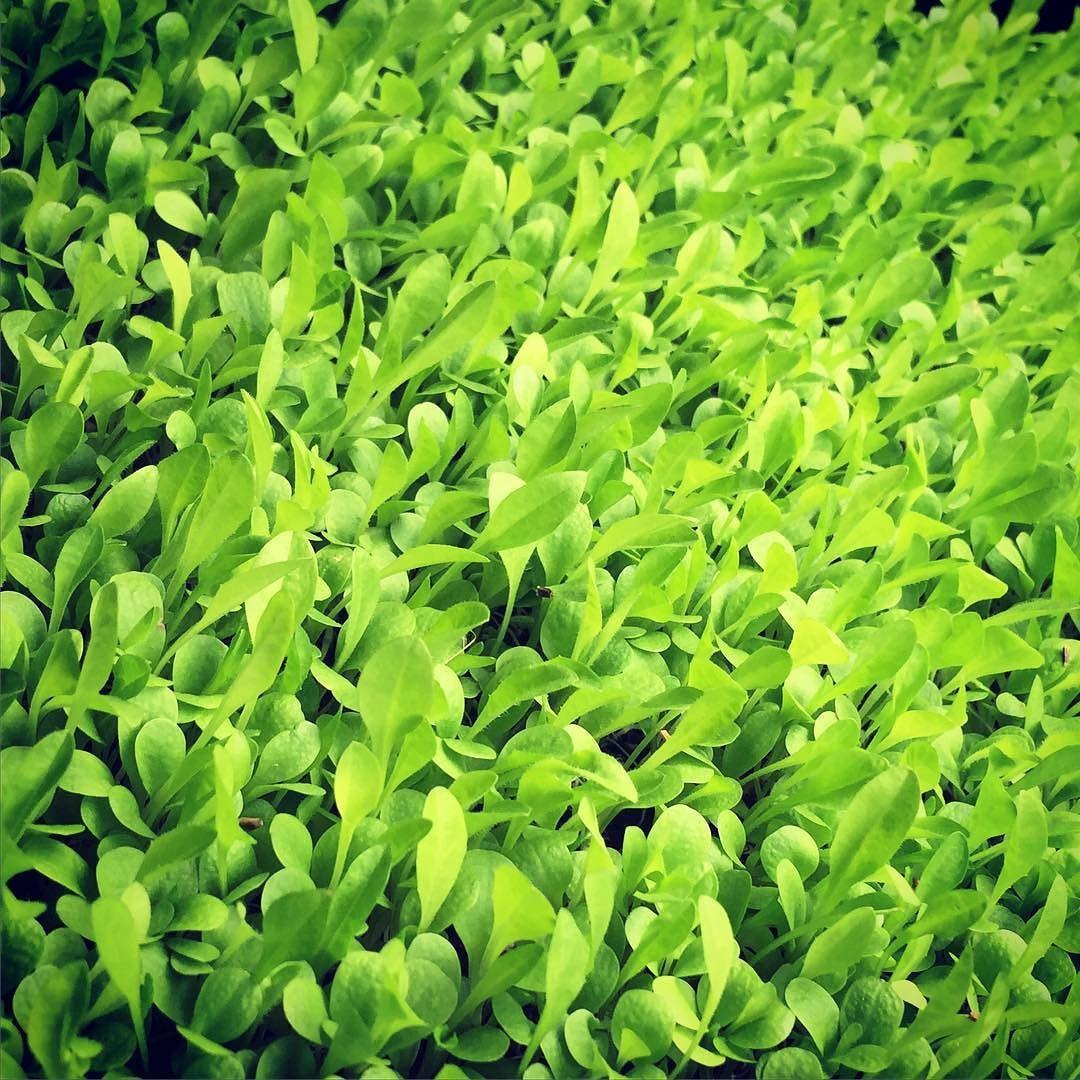
Dandelion
About this microgreen:
Dandelion microgreens are full of potent antioxidants, which may explain why this plant has such broad applications for health.
Health Benefits of dandelion:
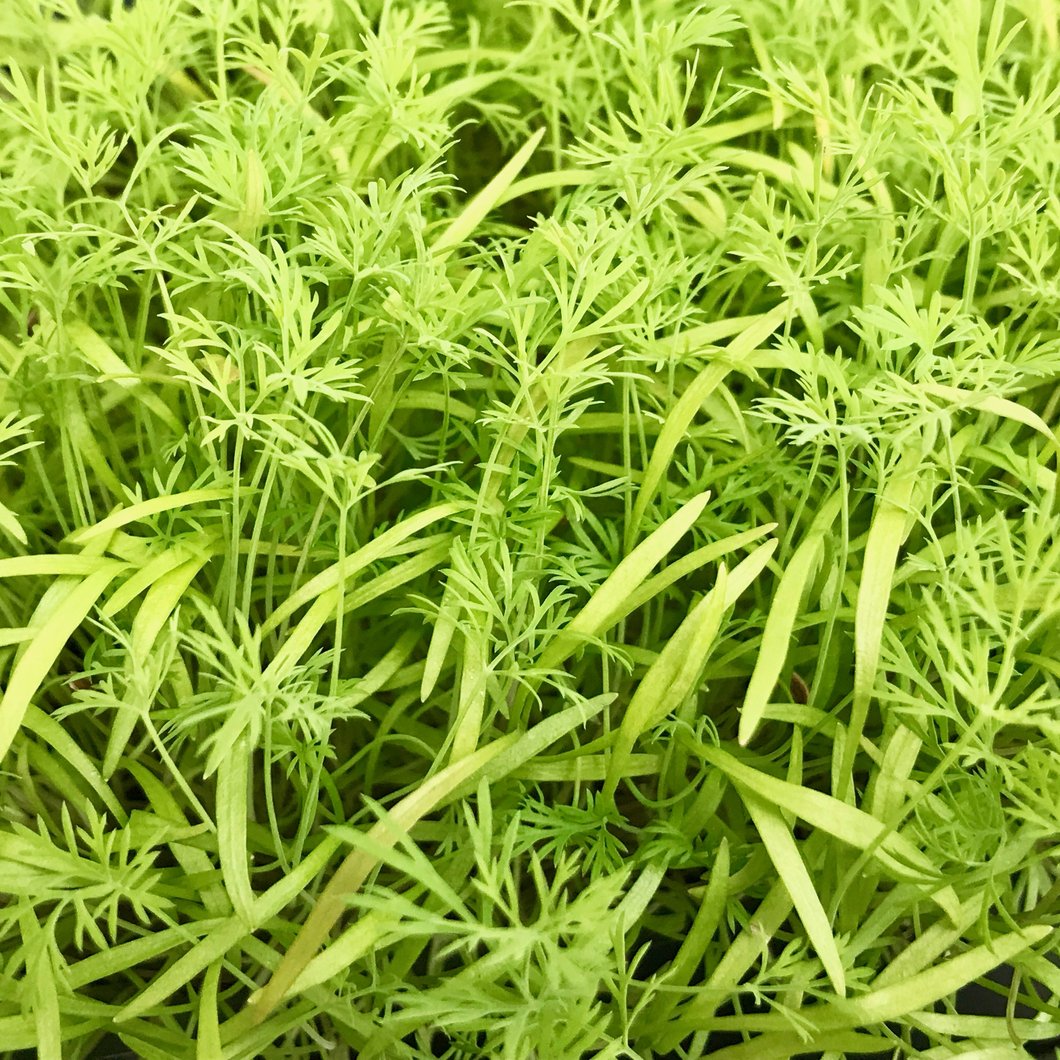
Dill
About this microgreen:
Health Benefits of dill:
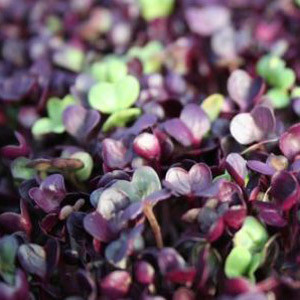
Heartbeats (radish)
About this microgreen:
Health Benefits of Radish:
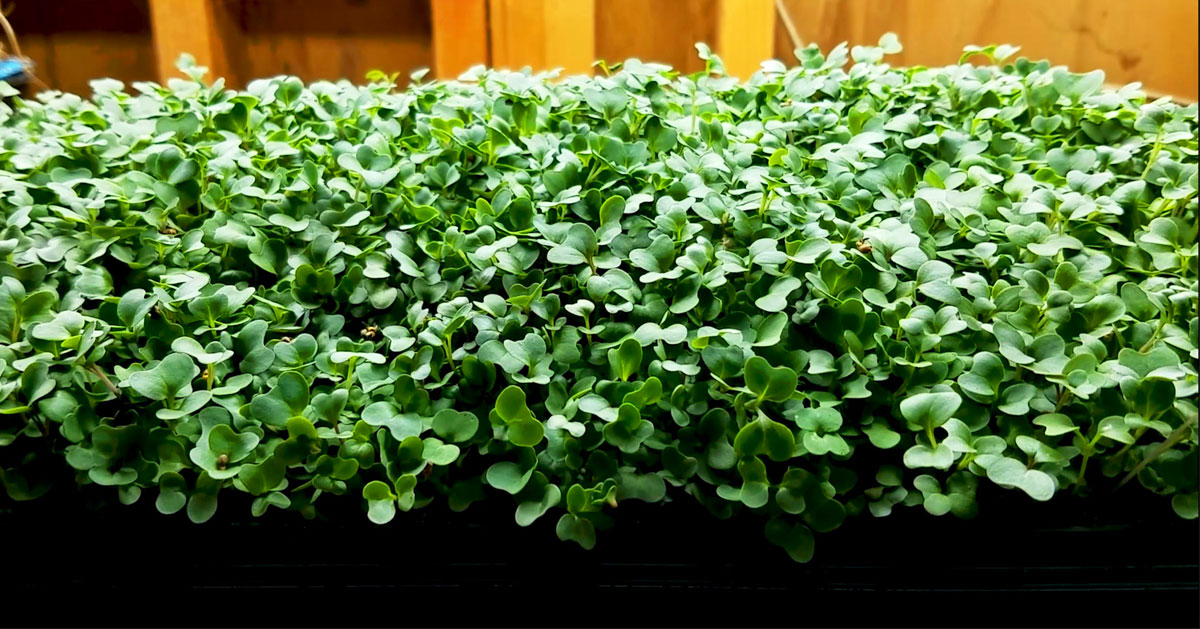
lettuce
About this microgreen:
Also for lettuce, the 7-day old lettuce microgreens had found the highest concentration of phenolic compounds and antioxidants level than the rest of growth stages, which potentially implies a big role in cancer prevention
Health Benefits of Mustard:
lettuce mixes
About this microgreen:
Also for lettuce, the 7-day old lettuce microgreens had found the highest concentration of phenolic compounds and antioxidants level than the rest of growth stages, which potentially implies a big role in cancer prevention
Health Benefits of Mustard:
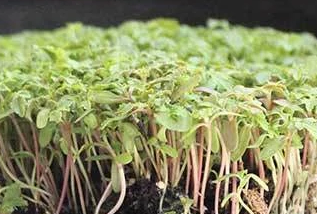
Marigold
About this microgreen:
In addition to vitamins and minerals, Marigold contains proline, which is an amino acid that contributes to strengthening joints and increasing collagen production.
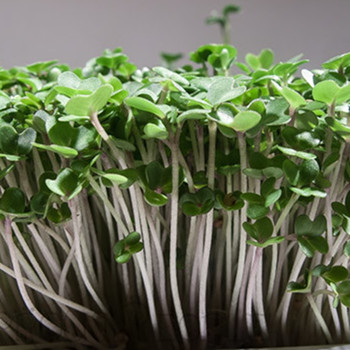
Mustard
About this microgreen:
Health Benefits of Mustard:
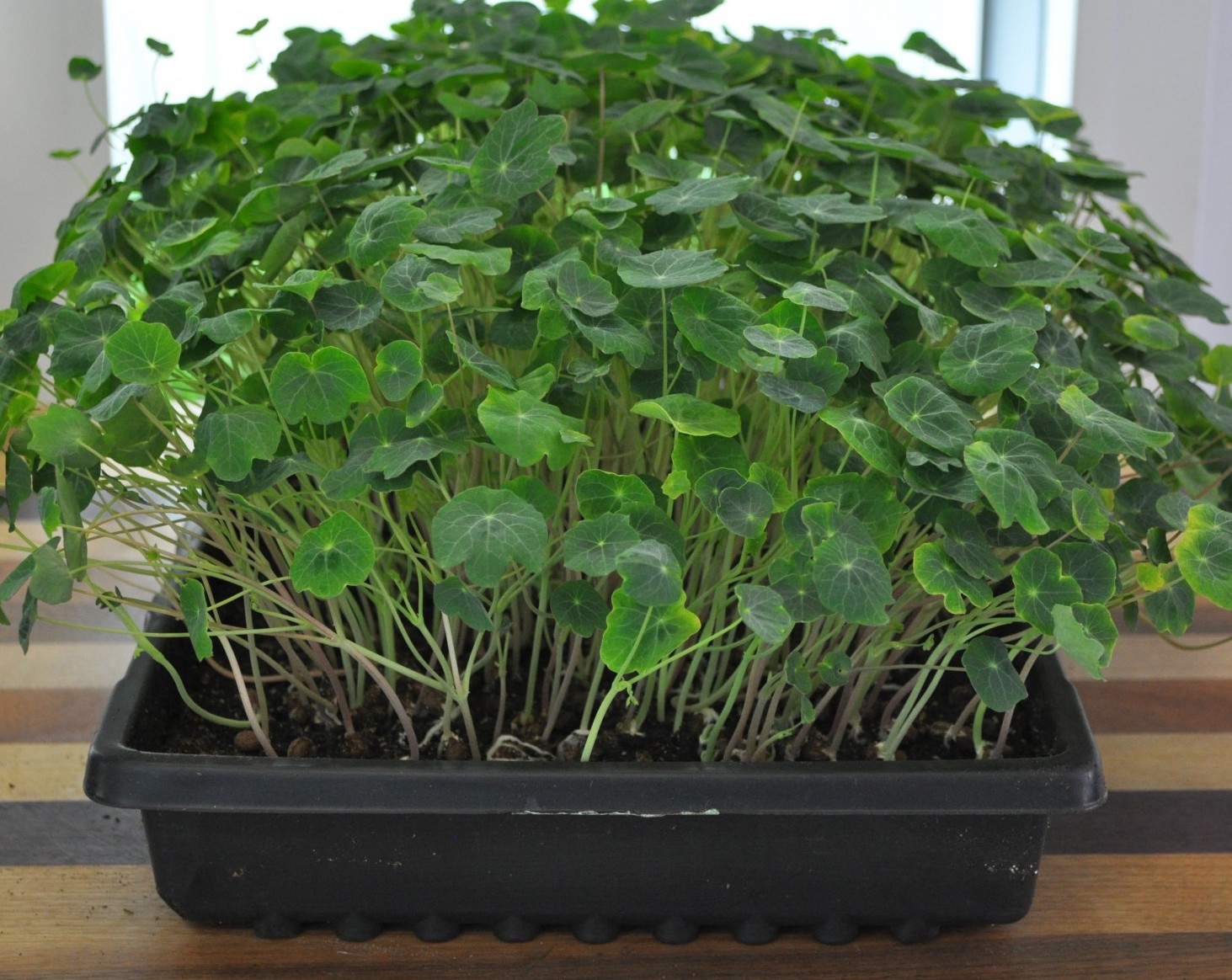
Nasturtium
About this microgreen:
Health Benefits of Peas:
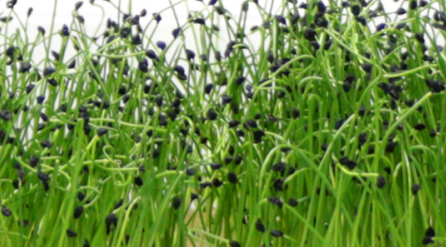
onion
About this microgreen:
Health Benefits of Onion:
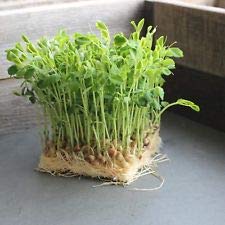
Peas
About this microgreen:
Health Benefits of Peas:
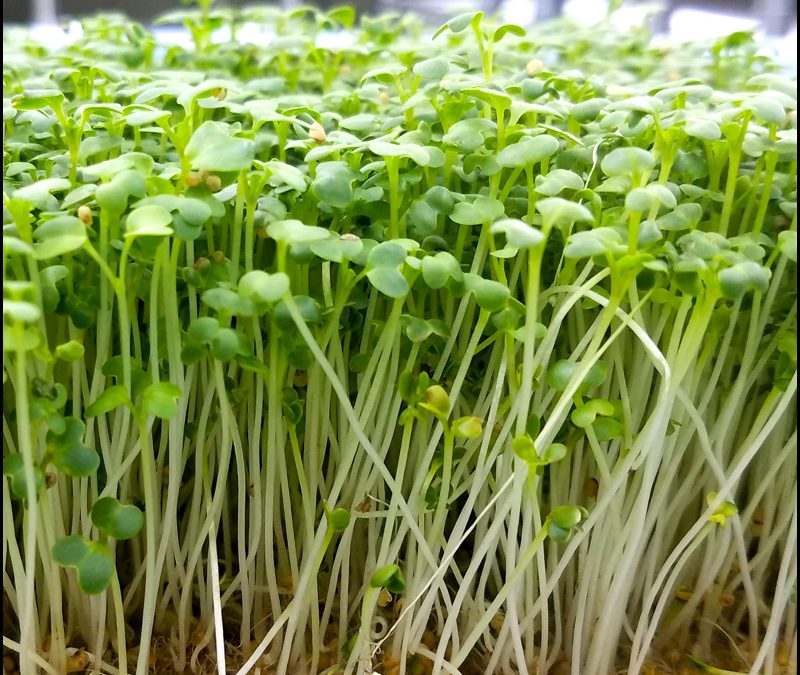
Reaching Wellness
(Broccoli)
About this microgreen:
Health Benefits of Broccoli:
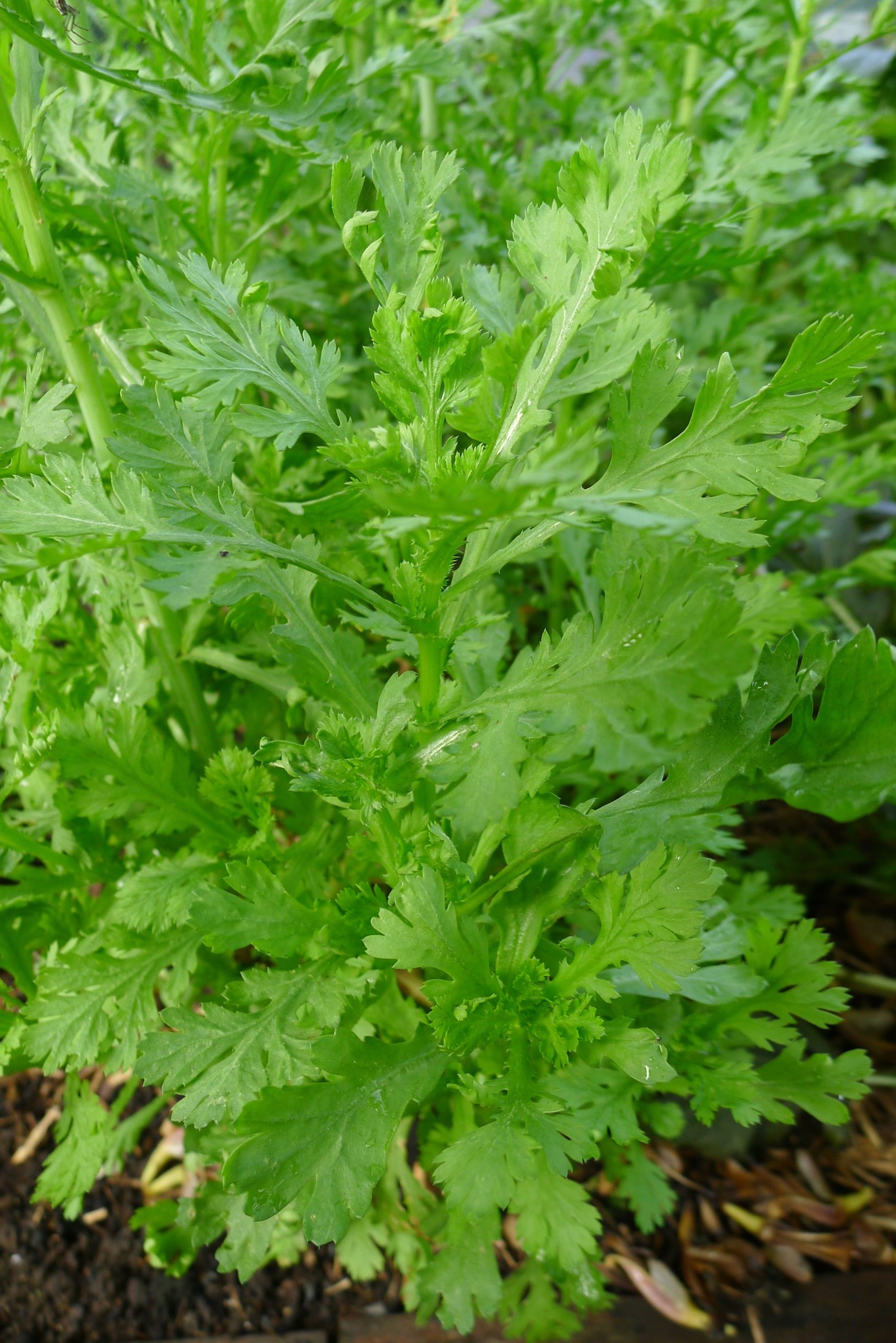
Shungiku
About this microgreen:
Great as an addition to mixed salad greens. Contains Vitamin A, Vitamin C, Vitamin E, Vitamin K, B12, And B6.
Shungiku, also known to be the edible chrysanthemum, is another Asian herb microgreen that has a delightful floral flavor with a slight bitter taste. This beautiful microgreen is short, has a thin serrated leaf, and light green in color. Shungiku is mild, crisp and crunchy, and can be a great complement for any salad mix.
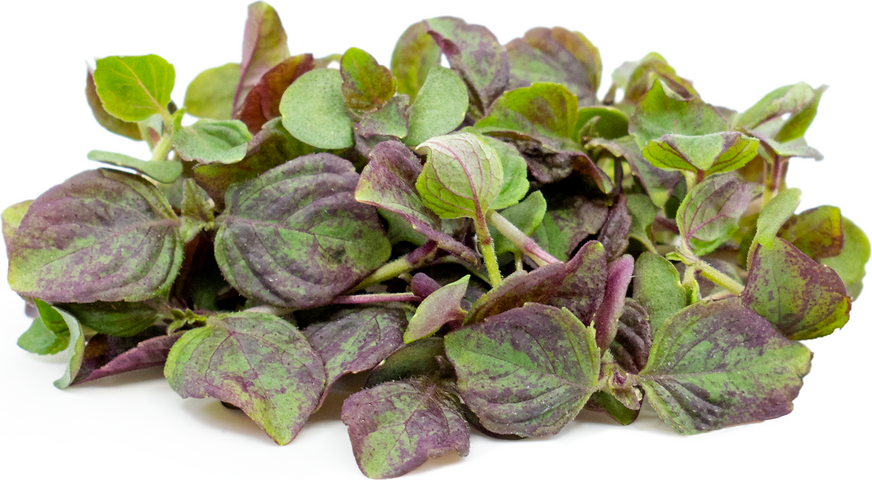
Shiso
About this microgreen:
They are popularly used in Japanese cuisine as they offer a subtle flavor and tender texture, and can be used to garnish sushi or sashimi, sprinkled over miso soup or soba noodles, wrapped around meat, mixed in with tofu or bean curd dishes, added to stir-fries, or even steeped in green tea.
Shiso contains calcium, phosphorus, iron, potassium, antioxidants, and vitamins A, C, and K.
Health Benefits of Salad:
Sprouting Lakeland
(KALE)
About this microgreen:
Health Benefits of Mustard:
Sorrel
About this microgreen:
A good source of Vitamin K, Vitamin C, oxalic acid, and Vitamin E, sorrel is a perennial herb that belongs in the knotweed family along with rhubarb and buckwheat. The term “knotweed” stems from the little nodes the stems of some of the family’s species have.
Sorrel grows in grassland habitats all over Europe and in parts of Central Asia, though its history goes back as far as 1700 with mentions of the sour herb in Jamaican literature.
Health Benefits of Salad:
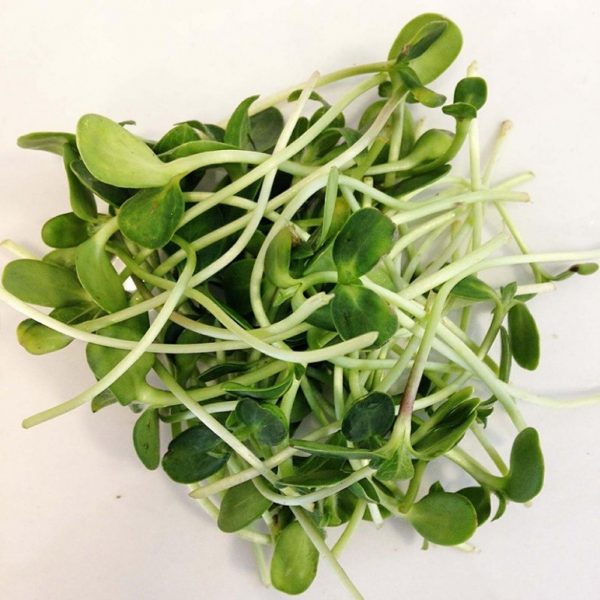
Sunflower
About this microgreen:
Sunflower microgreens offer one of the most balanced forms of a complete plant protein around. It is one of the best food to add to your diet for overall health and wellbeing. It has a strong stem and green leaves. The taste is fresh and crunchy. Delicious eaten as a snack or in any salad, sandwich, wrap or culinary creation. Sunflower microgreens are low in calories and high in nutrition, making them ideal for any natural and healthy fat loss program. They are a great source of valuable nutrients including proteins, enzymes, folic acid, selenium, lecithin, minerals, including calcium, copper, iron, magnesium, potassium, phosphorous, zinc as well as vitamins A, C, Complex D and E.
Health Benefits of Sunflower:
Swiss chard
About this microgreen:
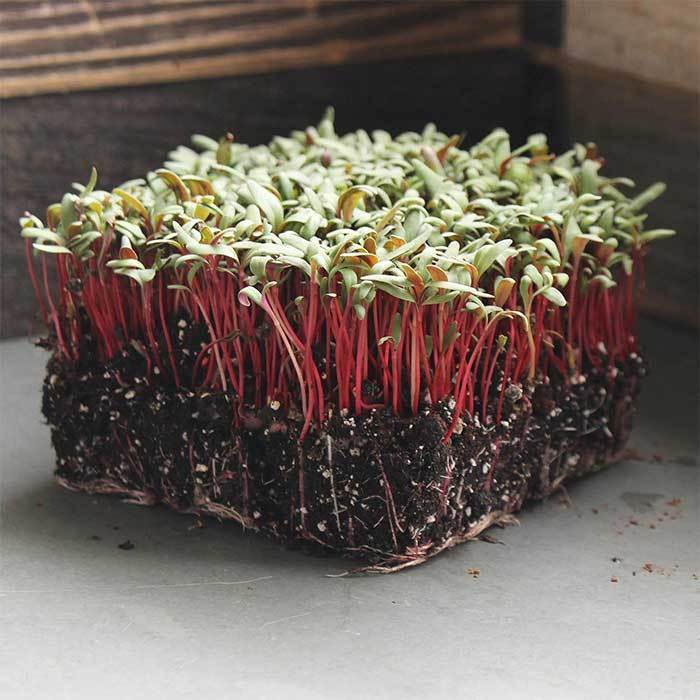
Swiss chard is from the same family as beets. It is available in many varieties that offers a range of colorful stalk like red, white, pink, yellow and orange. The leafy part is always green. The eye-catching colors and beautiful delicate texture of this microgreen makes it one of the most appealing meal garnishing assets. Swiss chard microgreen is also commonly used in sandwiches, wraps and smoothies.
These microgreens have exceptional effects in promoting health. Because of their higher proteins as well as their mineral content, they offer resistance against a number of illnesses and diseases.
The Swiss chard microgreens have a distinctive mild, juicy as well as salty taste that reminds us of the flavor of beets with a mix of spinach.
Low in fat. Rich beta-carotene, vitamin E, K &C, zinc, copper, sodium, potassium, iron, manganese, phosphorus, lutein and several other illnesses battling antioxidants. Also, a high level of Calcium, Magnesium and vitamin K contributes in good bone health.
Health Benefits of Swiss Chard:
Turnip
About this microgreen:
Health Benefits of Wheat Grass:
Vitality Blend
About this microgreen:
Health Benefits of Salad:
wheat grass
About this microgreen:
About this microgreen:
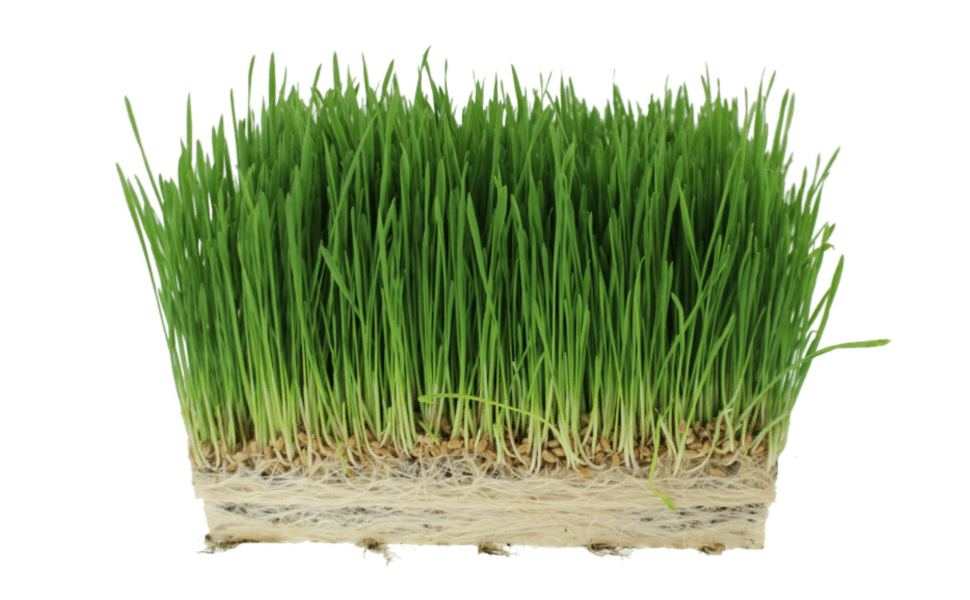
Wheatgrass contains more than 90 minerals, including potassium, calcium, magnesium and sodium as well as essential enzymes and 19 amino acids.